Search

nano-tap set

In stock (delivery time 3-4 working days)

FREE shipping & returns within DE & CH / shipping in the EU is subject to a charge

30-day money-back guarantee on all product items (excl. installation and dismantling costs)

2-year manufacturer's warranty

May we help with the selection?

May we help with the selection?

Filtered drinking water everywhere

Filtered drinking water everywhere

The nano-tap is a compact countertop filter that can be connected quickly and easily. It is ideal for the kitchen at home, but is also perfect for use on the go. Whether you are camping, in a vacation home or in a hotel, the nano-tap provides reliable filtered drinking water straight from the tap. Thanks to its ease of use, it is ready for immediate use and offers maximum flexibility for anyone who doesn't want to do without clean drinking water while on the move.

The nano-tap is a compact countertop filter that can be connected quickly and easily. It is ideal for the kitchen at home, but is also perfect for use on the go. Whether you are camping, in a vacation home or in a hotel, the nano-tap provides reliable filtered drinking water straight from the tap. Thanks to its ease of use, it is ready for immediate use and offers maximum flexibility for anyone who doesn't want to do without clean drinking water while on the move.

2 liters flow rate per minute

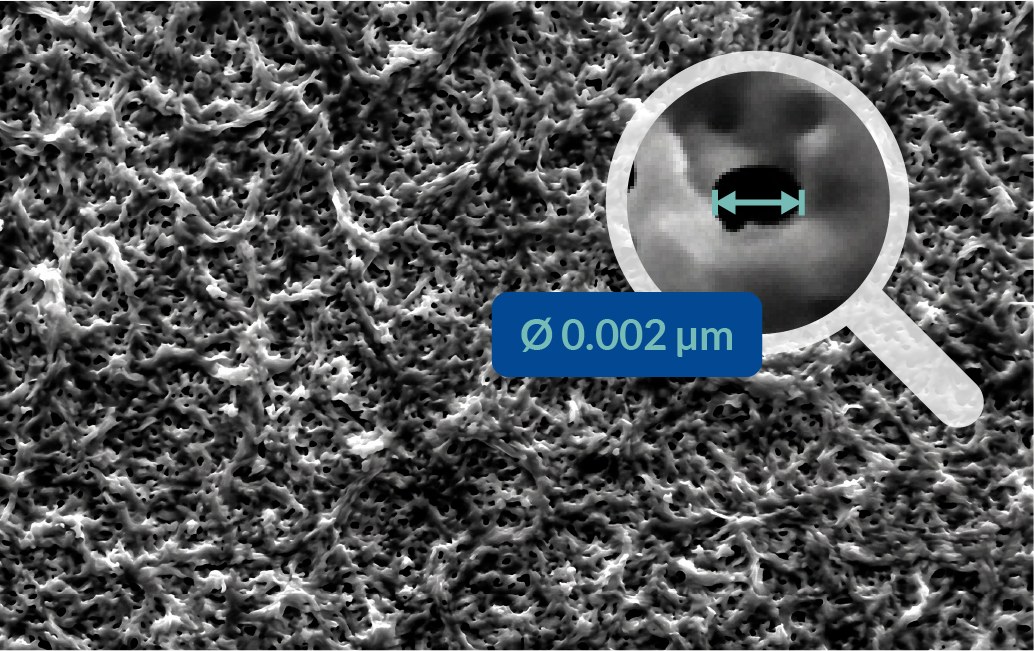
Nanofiltration down to 0.002 micrometers

Tested elimination of PFAS & TFA

Easy installation and maintenance

Integrated hygiene barrier

Filtered substances:

Filtered substances:

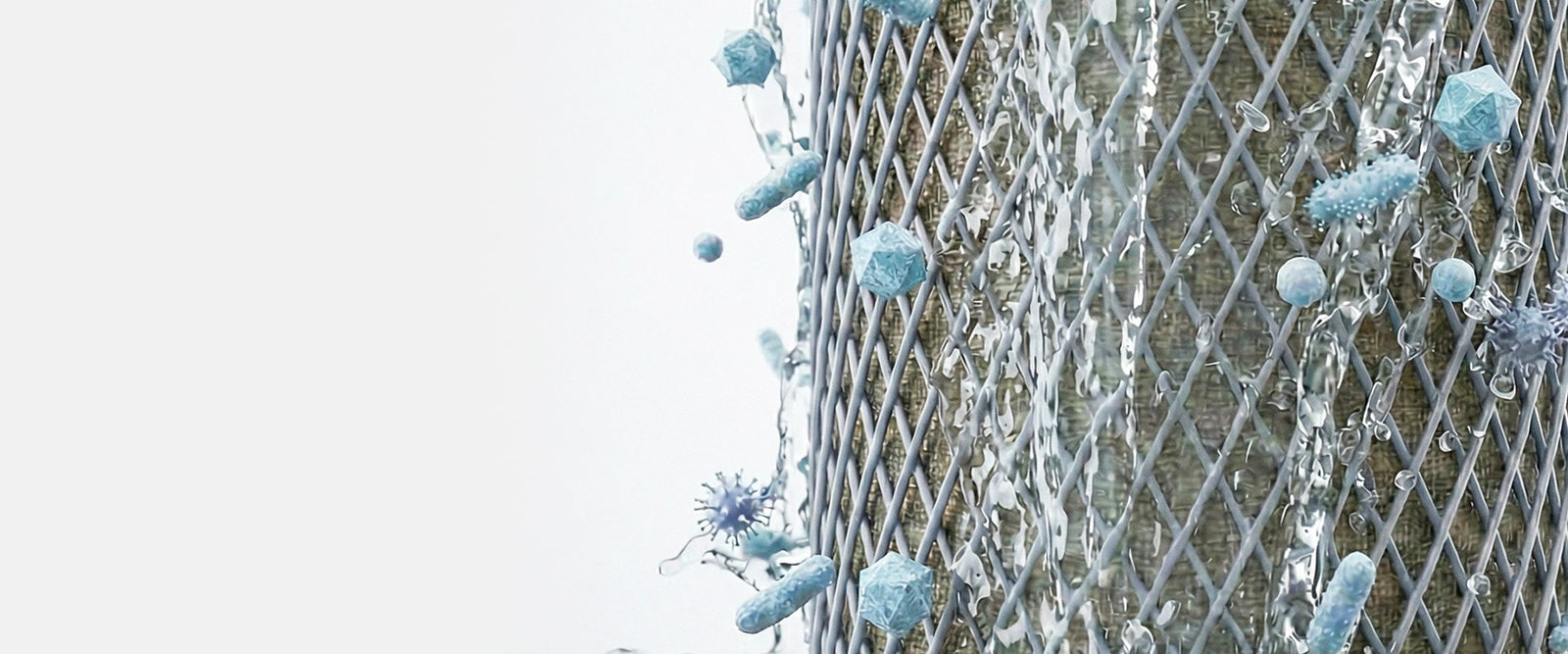
The nano-tap completely filters the following foreign substances and pollutants down to 0.002 micrometers from the water.

  • Bacteria & viruses
  • Heavy metals
  • Drug residues
  • Microplastics
  • Plant protection products
  • PFAS & TFA
  • Chlorine

The nano-tap completely filters the following foreign substances and pollutants down to 0.002 micrometers from the water.

  • Bacteria & viruses
  • Heavy metals
  • Drug residues
  • Microplastics
  • Plant protection products
  • PFAS & TFA
  • Chlorine

Basic filtration & hygiene barrier

Basic filtration is an integral part of every Dropvital system and ensures clean, hygienically safe water. It specifically binds heavy metals from the tap water and the integrated hygiene barrier additionally increases hygienic safety for stable water conditions with a constant water flow suitable for everyday use.

Basic filtration & hygiene barrier

Basic filtration is an integral part of every Dropvital system and ensures clean, hygienically safe water. It specifically binds heavy metals from the tap water and the integrated hygiene barrier additionally increases hygienic safety for stable water conditions with a constant water flow suitable for everyday use.

Patented nanofiltration

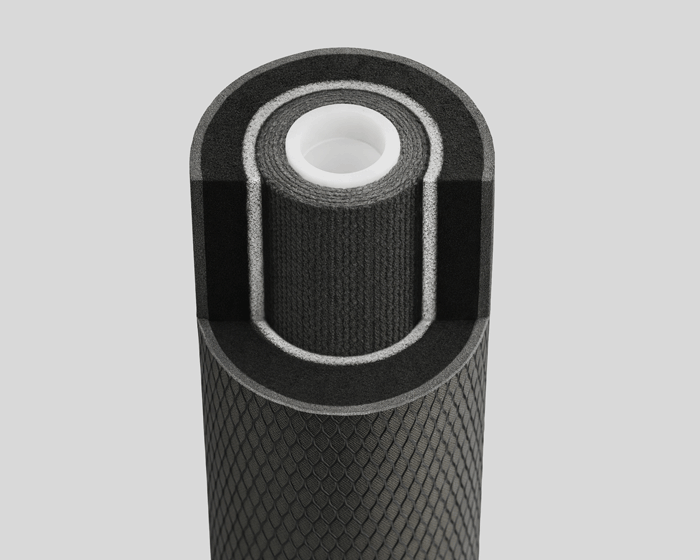
Nanofiltration specifically removes harmful and foreign substances from drinking water and works down to the finest areas. The active membrane achieves a pollutant removal rate of up to 99% at a filtration depth of 0.002 micrometers.

The interwoven active membrane structure reliably retains even the finest particles and binds them permanently. This membrane-like filter structure guarantees constant filtration performance over the entire service life without forming channels or losing flow volume.

Patented nanofiltration

Nanofiltration specifically removes harmful and foreign substances from drinking water and works down to the finest areas. The active membrane achieves a pollutant removal rate of up to 99% at a filtration depth of 0.002 micrometers.

The interwoven active membrane structure reliably retains even the finest particles and binds them permanently. This membrane-like filter structure guarantees constant filtration performance over the entire service life without forming channels or losing flow volume.

Easy to install and quick to change

Easy to install and quick to change

The nano-tap is easy to install and is quickly ready for use. The filter can be changed easily and without tools, so that drinking water filtration is fully available again immediately.

  • Quick installation
  • Tool-free filter change
  • Easy handling

The nano-tap is easy to install and is quickly ready for use. The filter can be changed easily and without tools, so that drinking water filtration is fully available again immediately.

  • Quick installation
  • Tool-free filter change
  • Easy handling

Scope of delivery

Scope of delivery

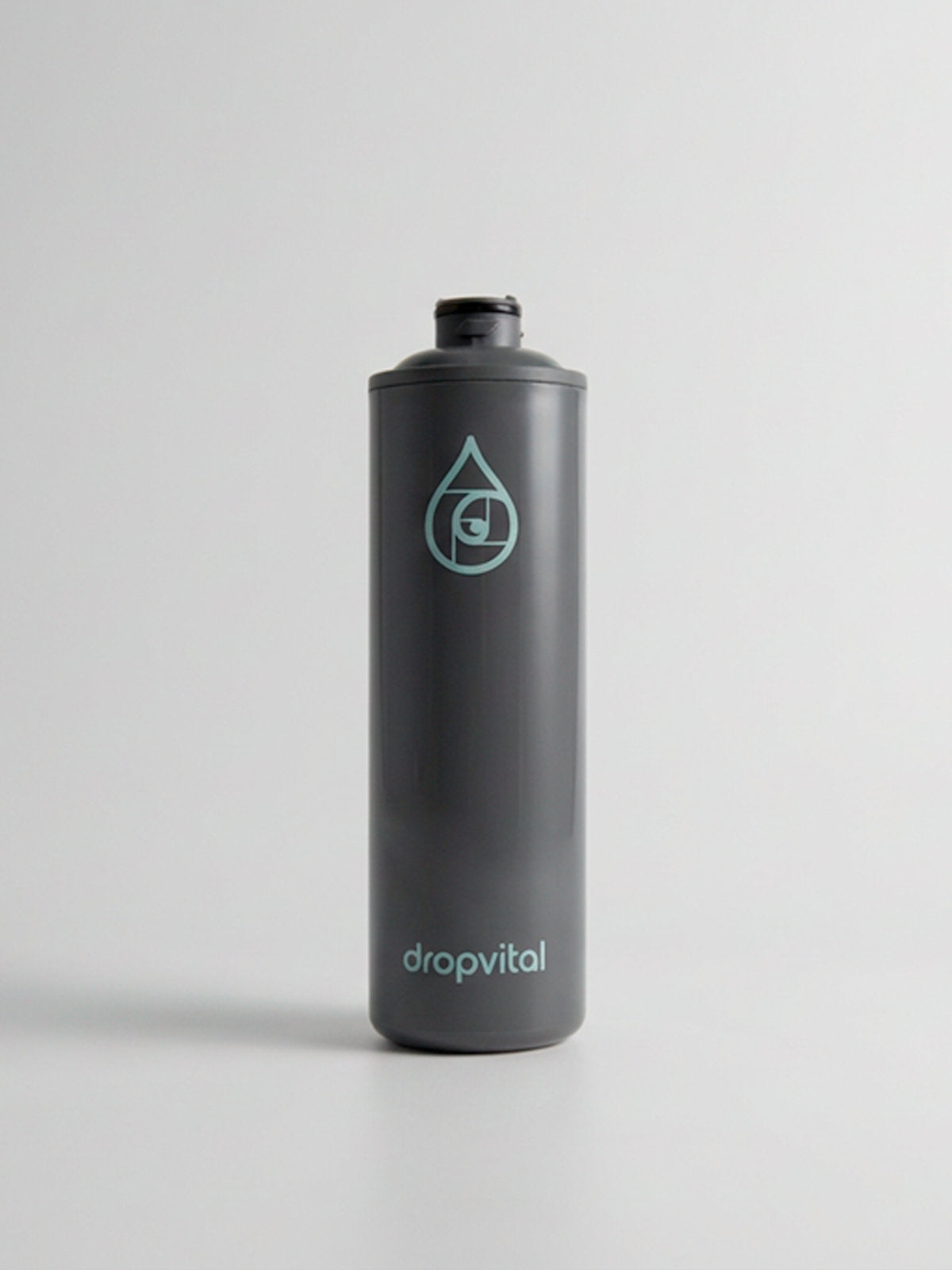
  • 1x cartridge
  • 1x filter housing incl. integrated tap
  • 1x PVC hose
  • 1x changeover valve
  • 1x adapter for the aerator
  • Installation and maintenance instructions
  • 1x cartridge
  • 1x filter housing incl. integrated tap
  • 1x PVC hose
  • 1x changeover valve
  • 1x adapter for the aerator
  • Installation and maintenance instructions

Downloads

Downloads

Here you will find all relevant product information, technical data and instructions for the products.

Here you will find all relevant product information, technical data and instructions for the products.

  • Information brochure: nano-tap (PDF)

Frequently asked questions about the EVOtap

When evaluating water filters, it is important to understand what filter claims actually refer to. Many suppliers claim to filter certain pollutants such as pesticides without being transparent about the particle size up to which their filters are effective.

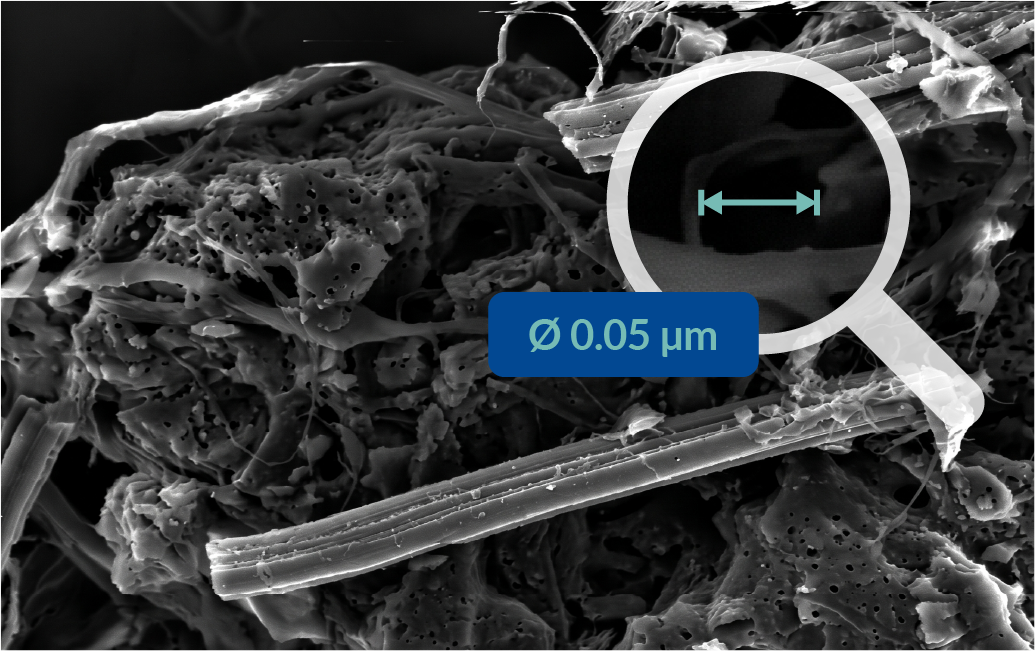
Conventional activated carbon filters generally work with a maximum effective pore size of around 0.1 micrometers. Pollutants smaller than this pore size cannot be physically retained reliably. With simple table or carafe filters, the effective filter performance is often only in the range of several micrometers, which means that a large proportion of relevant contaminants remain in the water. Corresponding information on the pore size is not or only incompletely communicated by many suppliers.

Dropvital takes a different technological approach. The filter cartridges are designed to have a much finer and more uniform structure than conventional activated carbon filters. Independent tests have shown that this technology can effectively reduce very small pollutant particles down to the nanometer range. The filter performance therefore goes far beyond what is technically achievable with conventional activated carbon.
Another significant difference lies in the structure and long-term stability of the filter. Classic activated carbon filters tend to form channels during operation. This creates preferred flow paths through which the water increasingly flows unfiltered. In addition, microbial contamination of the filter material can occur during longer periods of use, which is why such filters often have to be replaced at short intervals.

The Dropvital cartridges are designed to minimize these effects. The even flow rate and material design prevent channels from forming or stored substances from being released back into the water. As a result, the filter performance remains stable over a longer period of time and cartridges generally only need to be changed once a year.

Dropvital systems are also designed for direct connection to the cold water system and deliver a constant filtration performance even at normal household flow rates. It is deliberately pointed out that certain natural water constituents such as iron or manganese are not classic heavy metals and are not among the target substances for filtration.

In summary, the key difference is that Dropvital does not rely on simple activated carbon, but on a precisely designed filtration technology that is permanently stable, transparently tested and clearly different from conventional activated carbon filters.

The decisive difference lies in the material composition and structure of the activated carbon used. Not every activated carbon is equally efficient - the surface, pore structure and the way in which the water is passed through the filter material are decisive.

The activated carbon used in Dropvital has a very high internal surface area, which is significantly higher than that of many commercially available filters. This pronounced surface structure provides the water with a particularly large contact surface on which pollutants can be adsorbed. Even small amounts of material achieve a very high filtration performance.

A significant difference to conventional activated carbon filters is the distribution of pores. A large proportion of Dropvital activated carbon consists of micropores in the nanometer range. These very fine pores create a high volume of active surface area and enable efficient binding of even small molecules. Conventional activated carbon filters, on the other hand, often only have a comparatively small proportion of such micropores.

In addition, the filter material is designed to ensure a uniform flow. With many conventional filters, so-called channel formation occurs during operation: The water seeks out preferred paths through the material, which means that parts of the filter are barely used. This significantly reduces the filter performance and can lead to stored substances being released back into the water. The design of the Dropvital filter minimizes this effect and ensures constant filter quality over the entire service life.

Another technical advantage is the capillary effect of the filter material. It enables fast and efficient adsorption without severely restricting the water flow. Conventional activated carbon filters would either have to significantly reduce the flow rate or force very long contact times in order to achieve comparable results - which is usually impractical in everyday life.

Thanks to the combination of a high active surface area, optimized pore structure and stable flow, the Dropvital filter system achieves a high and consistent adsorption performance even at normal household flow rates. At the same time, the formation of channels and premature clogging is reduced, which significantly extends the service life of the filter.

In summary, the special feature of the Dropvital system is not based on individual marketing features, but on a consistently well thought-out material and flow concept that clearly differs from classic activated carbon filters and delivers permanently stable results in practical use.

No. The nano-tap solutions are not reverse osmosis or osmosis filters. In contrast to such systems, the natural mineralization of the water is retained. The filtration is specifically designed to filter unwanted pollutants without changing the basic composition of the water.

Osmosis systems work with very dense membranes that remove almost all dissolved substances from the water. In addition to pollutants, this also filters out minerals, which often requires subsequent remineralization. Dropvital deliberately adopts a different approach: it primarily filters out disruptive and undesirable components, including the complete filtration of short saturated PFAS and TFA, while minerals remain in the water.

Certain dissolved substances such as phosphates, fluorides or nitrates cannot be specifically removed using this physical filter principle, as their molecular size and chemical properties would require a different filtration technology. Dropvital deliberately communicates this limit transparently.

In connection with water treatment, caution should also be exercised with systems that work with electrical voltage or so-called water ionization. Although such processes change the physical properties of the water, they do not represent classic filtration and are no substitute for tested pollutant reduction.

Dropvital therefore relies on comprehensible, tested filtration technologies that do not require any electrical influence and whose effect is clearly measurable.

No. The nano-tap is connected directly to the cold water pipe. An additional or separate tap is not required.

No. The nano-tap works without waste water and without a power connection. Filtration takes place purely physically in the ongoing water flow without any significant pressure loss.

Dropvital does not use conventional activated carbon, as is used in many conventional water filters.

Classic activated carbon filters are usually produced by extrusion or compression molding. Granulated or powdered activated carbon and binding agents such as plastics or resins are used to produce a solid block filter. This design limits both the usable surface area and the uniform flow through the filter.

The filter technology used by Dropvital is based on a fundamentally different manufacturing process. The filter material is built up on fiber-like structures using the so-called wet spinning process.

Starting materials such as rayon are carbonized, activated and then processed into a stable, membrane-like structure. This results in a very high internal surface area per gram of filter material, which is significantly higher than that of conventional activated carbon filters.
Another key difference is the pore structure. Dropvital cartridges consist mainly of micropores with diameters of less than 2 nanometers. These fine pores provide a particularly large active surface area for adsorption.

Conventional activated carbon filters, on the other hand, are mainly based on mesopores and macropores, which are significantly larger and therefore offer less active surface area per volume.

In summary, Dropvital is not a conventional activated carbon filter, but a filtration solution with advanced material technology that clearly differs from classic activated carbon block filters in terms of design, pore structure and performance.

Yes, Dropvital systems are manufactured from materials that are suitable for contact with drinking water and food and comply with the applicable legal requirements.

The materials used are RoHS-compliant and meet the relevant requirements for contact with food and drinking water in accordance with the EU MOCA regulations and the corresponding FDA specifications for materials in contact with drinking water.

The filtration performance of the Dropvital technology has also been examined and documented in independent laboratory tests. Test reports from internationally recognized institutes such as SGS confirm the performance of the filter technology under defined test conditions.

The filter material from Dropvital is not based on classic, pressed activated carbon, but on a carbon structure that has been further developed in terms of material technology.

The carbon used is produced in a wet spinning process on fiber-like, membrane-like carrier materials. Starting materials such as rayon are carbonized, activated and then processed into a stable filter structure. This process results in a very high internal surface area per gram of filter material, which is significantly higher than that of conventional activated carbon filters.

A decisive difference lies in the pore structure. The Dropvital cartridges consist mainly of micropores with a diameter of ≤ 2 nanometers. These very fine pores enable effective adsorption of the smallest impurities.

Conventional activated carbon filters, on the other hand, are mainly based on mesopores and macropores, which are significantly larger in diameter.

Put simply, the Dropvital filter works in the nanometer range (approx. 0.002 micrometers), whereas conventional activated carbon filters are generally only effective in the range of around 0.1 micrometers. This finer structure is one of the reasons for the high and uniform filter performance of the Dropvital system.

Drinking water quality in Europe is generally high. All EU member states and Switzerland have clear legal requirements for drinking water supplies. These regulations ensure that tap water is safe for human health.

At the same time, the framework conditions differ from country to country. The legal limits deliberately allow certain substances in small quantities in order to ensure a safe and stable water supply. These include disinfectants such as chlorine, which is used in many European countries - especially where water is distributed via long pipe networks.

Chlorine is effective for disinfection, but can significantly impair the taste and smell of the water. In addition, many people find chlorinated water less pleasant in everyday life, even though it meets the legal requirements.

In addition, the actual water quality depends not only on the central supply, but also on the in-house installation. Old pipes, deposits or fittings can affect the quality between the house connection and the tap.

A drinking water filter can therefore be useful anywhere in Europe where:

  • value is placed on consistent taste
  • Chlorine or other accompanying substances are to be reduced
  • additional control up to the tap is desired

Dropvital is not intended as a replacement for the public water supply, but as a supplementary filtration solution. Systems such as NanoDrink and NanoTap are designed to reliably reduce chlorine over the entire intended service life of the cartridge without affecting the water flow or mineralization.

Whether a drinking water filter makes sense ultimately depends on local conditions, personal requirements and the desired level of convenience in everyday life.

Discover the world of Dropvital