

Search

power-drink

Delivery time: 2–4 business days

Free shipping on orders of CHF 399 or more in Switzerland and EUR 599 or more in Germany; for orders below these amounts, a shipping fee of CHF 19 or EUR 19 applies; shipping to the EU is always subject to a fee

30-day money-back guarantee on all products (excluding installation and removal costs)

5-Year Manufacturer's Warranty

Would you like us to help you choose?

Would you like us to help you choose?

Maximum Water Quality Thanks to Hydrogen Addition

Maximum Water Quality Thanks to Hydrogen Addition

The power-drink infuses water with molecular hydrogen. After being treated by the power-drink, the treated drinking water contains a high concentration of H₂. Since hydrogen is the smallest element in the periodic table, it can exert its effects down to the cellular level.

Because molecular hydrogen is examined in scientific studies in connection with oxidative processes, among other things, it is currently a relevant topic in research and basic medical science.

The power-drink infuses water with molecular hydrogen. After being treated by the power-drink, the treated drinking water contains a high concentration of H₂. Since hydrogen is the smallest element in the periodic table, it can exert its effects down to the cellular level.

Because molecular hydrogen is examined in scientific studies in connection with oxidative processes, among other things, it is currently a relevant topic in research and basic medical science.

Pure H2 addition without PH value change

Effects researched in over 1,200 studies worldwide

Molecular H2 is tasteless and odorless

No proven side effects (GRAS status)

Patented PEM technology

Patented PEM technology

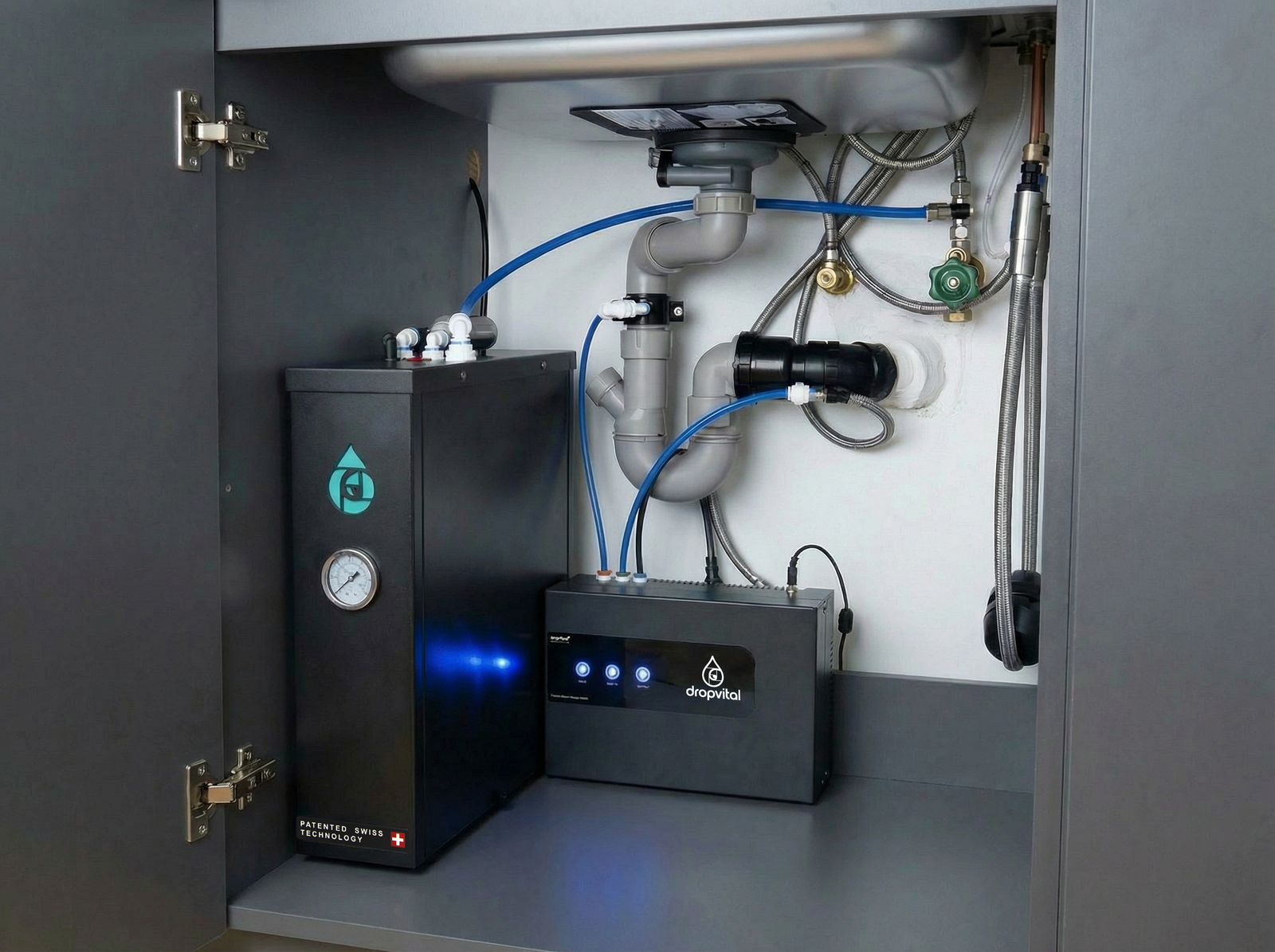
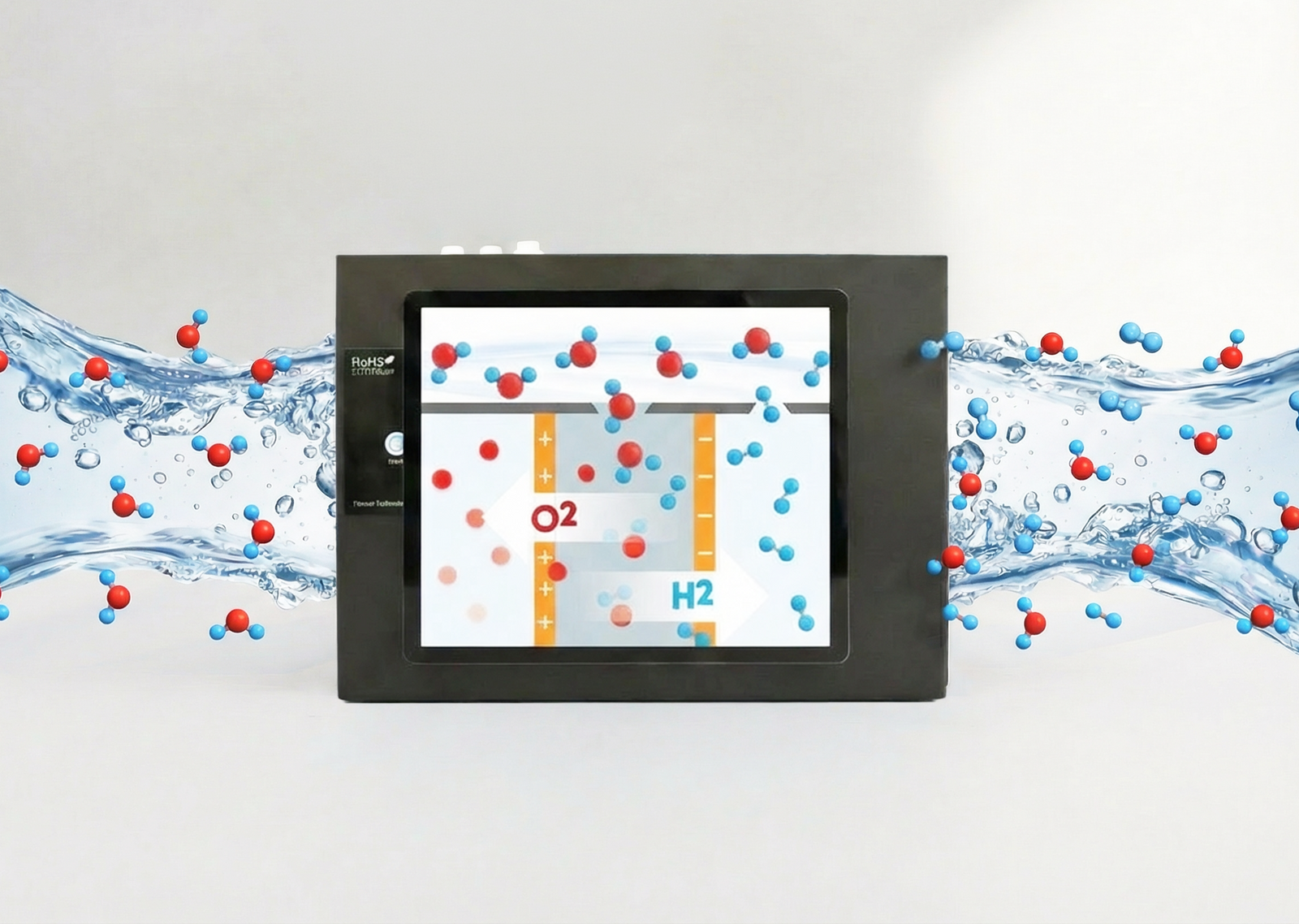
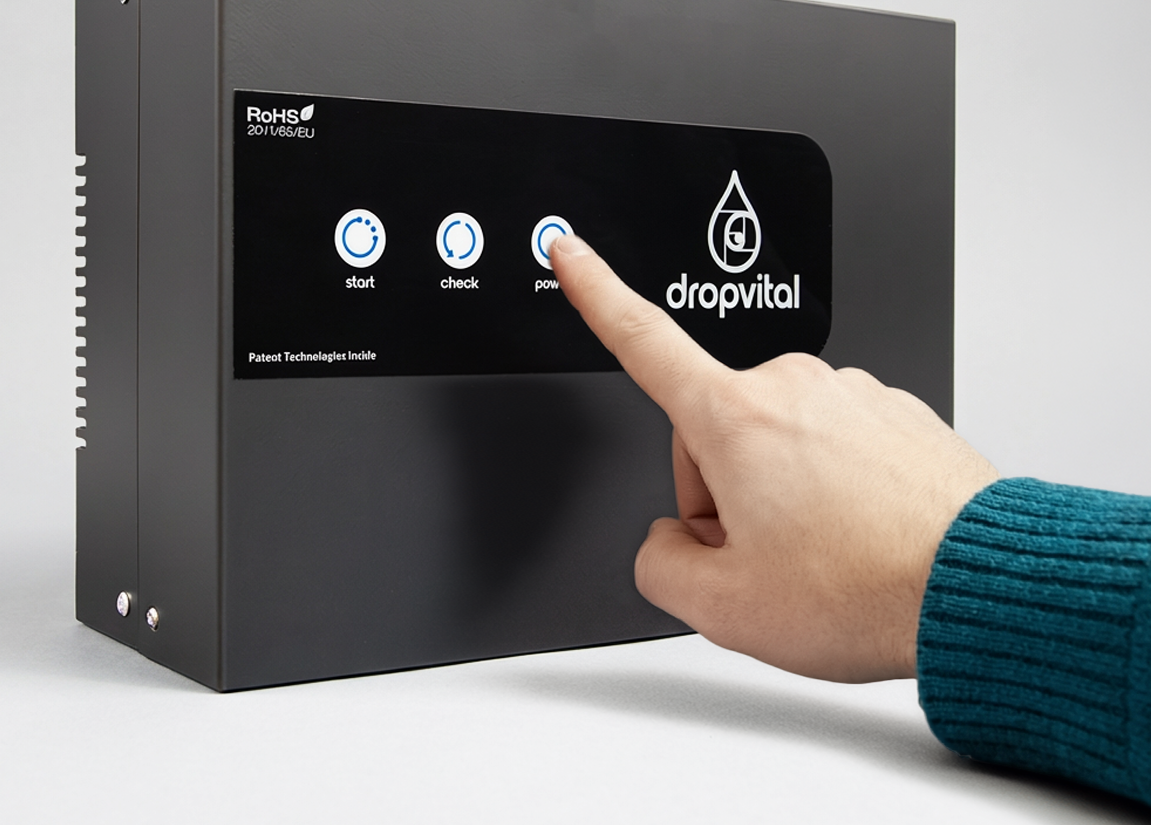
The power-drink hydrogen generator produces molecular hydrogen (H₂) in seconds, exactly when you need it, without the need for a gas cylinder, storage, or refilling. The PEM membrane cleanly separates the gases, effectively removing oxygen and thereby reducing unwanted byproducts (e.g., ozone)—ensuring a pure H₂ infusion into the water.

What makes dropvital’s PEM membrane unique is that it is:

  • PFAS-free membrane
  • No release of microplastics or heavy metals
  • Patented plasma coating technology guarantees the highest level of hygienic safety

The power-drink hydrogen generator produces molecular hydrogen (H₂) in seconds, exactly when you need it, without the need for a gas cylinder, storage, or refilling. The PEM membrane cleanly separates the gases, effectively removing oxygen and thereby reducing unwanted byproducts (e.g., ozone)—ensuring a pure H₂ infusion into the water.

What makes dropvital’s PEM membrane unique is that it is:

  • PFAS-free membrane
  • No release of microplastics or heavy metals
  • Patented plasma coating technology guarantees the highest level of hygienic safety

Only pure molecular H2 without unwanted trace gases

Only pure molecular H2 without unwanted trace gases

This is where the power-drink differs from conventional hydrogen generators, H2 cylinders, and ionizers. While these devices do split water into hydrogen and oxygen, the oxidative component—that is, the oxygen—is not removed but, paradoxically, remains in the same water. This can lead to the formation of compounds such as brown gas, oxyhydrogen gas, or ozone, which have an oxidative effect and can potentially be harmful to cells.

The power-drink, on the other hand, specifically removes excess oxidative molecules, allowing you to enjoy pure hydrogen-rich water.

This is where the power-drink differs from conventional hydrogen generators, H2 cylinders, and ionizers. While these devices do split water into hydrogen and oxygen, the oxidative component—that is, the oxygen—is not removed but, paradoxically, remains in the same water. This can lead to the formation of compounds such as brown gas, oxyhydrogen gas, or ozone, which have an oxidative effect and can potentially be harmful to cells.

The power-drink, on the other hand, specifically removes excess oxidative molecules, allowing you to enjoy pure hydrogen-rich water.

The effects of H2 have been studied in over 1,200 studies worldwide

The effects of H2 have been studied in over 1,200 studies worldwide

Molecular hydrogen (H₂) has increasingly become the subject of scientific research in recent years. The focus is primarily on its potential antioxidant and anti-inflammatory properties, as well as on how H₂ affects cellular processes.

  • No known side effects (GRAS status)
  • Potentially significant effects at the cellular level
  • A well-researched field

Molecular hydrogen (H₂) has increasingly become the subject of scientific research in recent years. The focus is primarily on its potential antioxidant and anti-inflammatory properties, as well as on how H₂ affects cellular processes.

  • No known side effects (GRAS status)
  • Potentially significant effects at the cellular level
  • A well-researched field

What's Included

What's Included

  • 1x power-drink hydrogen generator
  • 1x power cable + power adapter
  • 2x Y-pieces (1/4")
  • 3x angle fittings (1/4")
  • 1x check valve (1/4")
  • 1x Installation Instructions
  • 1x power-drink hydrogen generator
  • 1x power cable + power adapter
  • 2x Y-pieces (1/4")
  • 3x angle fittings (1/4")
  • 1x check valve (1/4")
  • 1x Installation Instructions

Downloads

Downloads

Here you will find all relevant product information, technical specifications, and instructions for the products.

Here you will find all relevant product information, technical specifications, and instructions for the products.

  • Information Brochure: Ultranano Drinking Water Treatment (PDF)
  • Installation Instructions: ultranano-drink Package (PDF)

Don't want to install it yourself?

Don't want to install it yourself?

No problem. Our experienced team of certified installers will handle the professional installation right in your home. That way, your system will be up and running in no time, and you can sit back and relax.

No problem. Our experienced team of certified installers will handle the professional installation right in your home. That way, your system will be up and running in no time, and you can sit back and relax.

Frequently Asked Questions

Molecular hydrogen has been the subject of various scientific studies for several years, particularly in connection with oxidative stress and reactive oxygen species. Unlike traditional antioxidants, it is theorized that hydrogen, due to its physical properties, may influence certain processes in a unique way.

A key factor is its unique molecular structure: hydrogen is extremely small (2 g/mol) and can therefore reach areas that are difficult for larger molecules, such as vitamin C (176.2 g/mol), to access. Scientific publications are investigating the role this property may play in the context of chemical reaction processes.

The renowned journal *Nature Medicine* has already published studies on molecular hydrogen. The fact that such a prestigious platform is devoting attention to this topic underscores the growing scientific interest.

(Source: *Nature Medicine* – Ohsawa et al., 2007)
https://pmc.ncbi.nlm.nih.gov/articles/PMC3257754/

Conclusion

Hydrogen is a colorless, odorless gas that is considered non-toxic and is being studied in various scientific disciplines.

Unlike traditional antioxidants found in foods or vitamins, it is theorized that hydrogen reacts on a different chemical level. While vitamin C or other molecules undergo chemical changes during reactions, molecular hydrogen itself remains structurally stable.

These properties make molecular hydrogen an interesting subject of research in various scientific fields. Studies to date provide valuable insights but do not allow for definitive conclusions. Further research is necessary to precisely evaluate its potential in various fields of application.

Molecular hydrogen (H₂) has increasingly become the subject of scientific research in recent years. The focus is primarily on its potential antioxidant and anti-inflammatory properties, as well as on how H₂ affects cellular processes.

Cellular processes: Research is exploring whether H₂ could influence mechanisms such as cellular senescence or telomerase activity, which play a role in basic research on DNA stability (Source – Hara et al., 2016).

Microbiome and metabolism: Studies are underway to investigate whether H₂ can influence changes in the composition of the gut microbiota or in metabolic parameters. To date, this research has been primarily experimental in nature and has yielded mixed results (Source – Higashimura et al., 2018).

Chronic Diseases as a Field of Research: In various publications, H₂ is used as a model system for investigating cardiovascular, metabolic, or neurological issues. The goal is to understand possible connections between oxidative stress, inflammatory processes, and hydrogen (Source – LeBaron et al., 2019).

Neuroscientific Perspectives: Individual studies have examined H₂ in the context of brain functions and cognitive processes. There is ongoing discussion as to whether the antioxidant properties of H₂ might play a role here (Source – McCarty, 2015).

Selective Reactions: Studies show that H₂ can react with highly reactive molecules such as hydroxyl radicals (•OH) and peroxynitrite (ONOO⁻). In doing so, other oxygen compounds that regulate important signaling and metabolic processes in the body appear to remain unaffected (Source – Ohta, 2014).

Research on Inflammatory Processes: Scientific studies are investigating whether H₂ could interfere with signaling pathways associated with inflammatory processes. Initial evidence comes from laboratory and clinical studies, though this evidence requires further confirmation (Source – Sim et al., 2020).

Mitochondria and Energy Metabolism: Some research is exploring the potential influence of H₂ on mitochondria—particularly their role in oxidative stress and energy production (Source: Ohta, 2012).

Sports science studies: In sports research, H₂ water is sometimes used as a model to examine potential correlations with parameters such as VO₂max or recovery. Some studies report effects, while others have not been able to detect any significant differences (Sources – Hori et al., 2020; Sha et al., 2018).

Conclusion

Research on molecular hydrogen is a dynamic field. Thousands of studies worldwide are raising interesting hypotheses.

Here you will find a compilation of over 1,200 studies from around the world:
https://hydrogenwaterstudies.com/search_result?title=

The information above reflects the current state of scientific research and does not constitute health claims or promises regarding the product’s efficacy.

Dropvital’s power-drink relies on a specially developed PEM membrane that has been optimized using innovative plasma and coating technologies. This combination makes it unique on the market and ensures the highest levels of purity and safety.

  1. PFAS-free

    Many commercially available PEM or Nafion membranes contain PFAS (per- and polyfluorinated chemicals), which are considered problematic. Our membrane is proven to be free of PFAS—for maximum safety and sustainability.
  2. No Release of Microplastics or Heavy Metals

    Thanks to the special selection of materials and manufacturing process, the power-drink membrane does not release any microplastic particles or heavy metals into the water. This is a decisive advantage over other devices, where such purity cannot be guaranteed.

• 3. Highest Quality Through Plasma and Coating Techniques

Our membrane is treated with state-of-the-art surface treatment processes. This not only extends its service life but also ensures particularly efficient and stable performance.

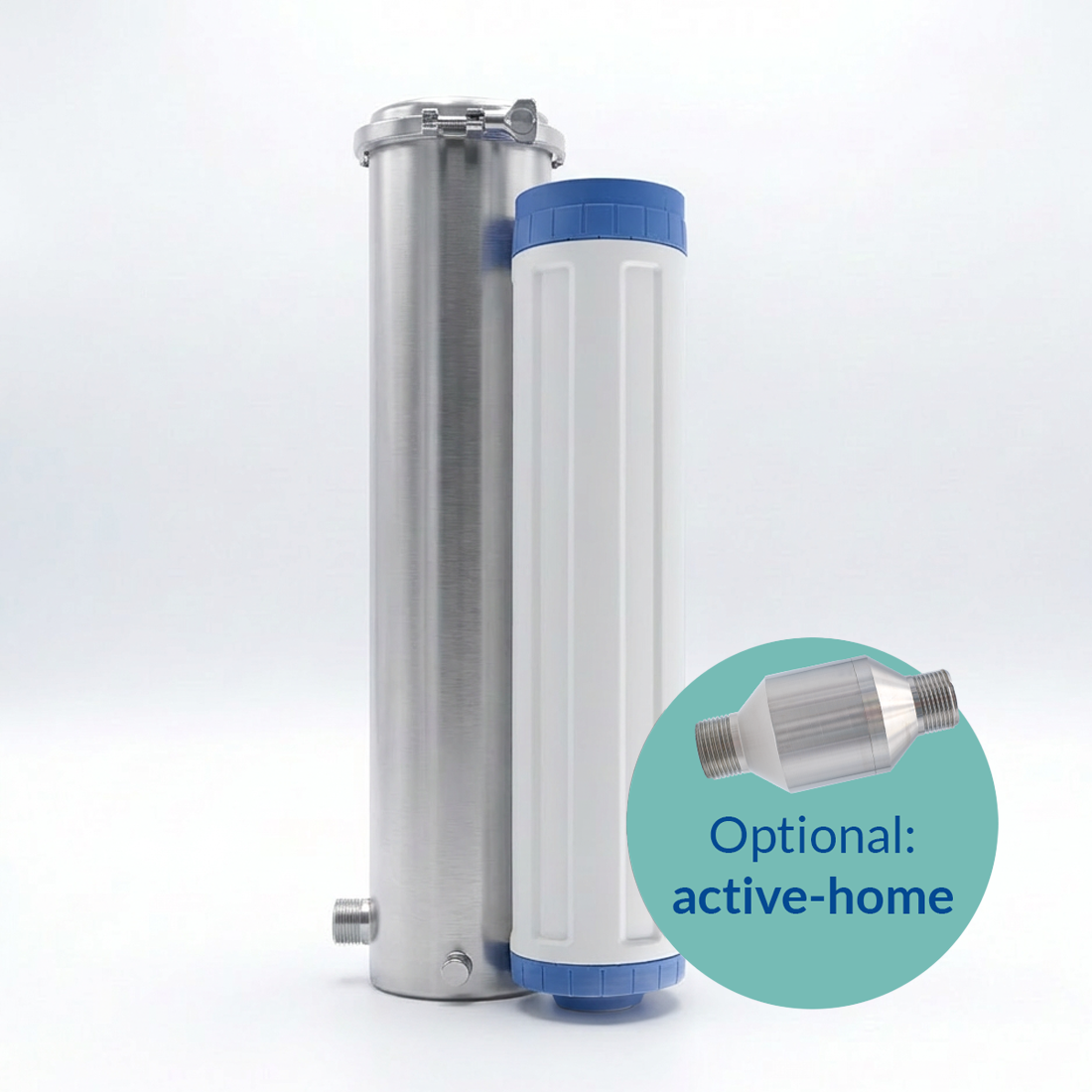
The power-drink is easy to install and you could install it yourself. However, we recommend having a professional install the combo package, which includes the Ultrananodrink and active-drink. 

No. dropvital’s power-drink is offered exclusively in combination with upstream filtration. Proper water treatment must precede its use to ensure flawless and consistently stable performance.

Therefore, the power-drink is deliberately not sold separately, as optimal performance and operational reliability cannot be guaranteed without upstream filtration.

Regular maintenance is not strictly necessary. After approximately 20,000 liters (equivalent to about 10 years, depending on usage patterns), the efficiency of the hydrogen enrichment process may gradually decrease.

At that point, the device can be replaced with a new one to ensure sustained maximum performance.

When you purchase a new power-drink, you’ll receive a 400 EUR discount off the list price.

This is another way in which the power-drink differs from conventional hydrogen generators or ionizers. While these devices do break water down into hydrogen and oxygen, the oxidative component—that is, the oxygen—is not removed but, paradoxically, remains in the water itself. This can lead to the formation of compounds such as Brown’s gas, oxyhydrogen gas, or ozone, which have oxidative effects and can potentially be harmful to cells.

The power-drink, on the other hand, specifically removes excess oxidative molecules, allowing you to enjoy pure hydrogen-rich water.

As a general guideline, you should drink 1 to 3 liters of water per day—depending on your body weight, activity level, and environment.

If you choose hydrogen-enriched water, you can fully meet your daily fluid needs with it. Just one glass a day is enough to easily incorporate this technology into your daily routine.

Many users choose to permanently replace conventional water with hydrogen-enriched water—out of a commitment to quality, freshness, and innovation.

Hydrogen-enriched water is ordinary drinking water that has been enriched with molecular hydrogen. It contains no sugar, additives, or pharmacologically active substances.

In general, it can be consumed just like conventional drinking water. In cases of specific health conditions, we recommend consulting a healthcare professional if in doubt.

Reactive oxygen species are naturally produced during human metabolism. The body has its own defense mechanisms to control them.

Antioxidants are substances that can react with reactive molecules. They are found both within the body itself and in various foods.

A balanced lifestyle with a varied diet helps support the body’s natural processes.

Can hydrogen-enriched water replace a balanced diet?

No. Hydrogen-enriched water is not a substitute for a varied and balanced diet. Vitamins, minerals, and other nutrients from food fulfill numerous functions in the body and cannot be replaced by any beverage.

Hydrogen-enriched water is a supplement to your daily routine—not a substitute for nutrients from natural foods.

Power-drink is a high-quality drinking water containing dissolved molecular hydrogen; it is free of additives or artificial ingredients and can be safely given to pets. Many customers also give it to their pets. If you have specific health concerns, we recommend consulting with a veterinarian on a case-by-case basis.

Many people report that they find power-drink to have a particularly fresh and pleasant taste even after just a short time. Its light, crisp taste makes it a conscious choice for many in their daily lives.

How quickly and in what form changes are noticed varies from person to person and depends heavily on one’s personal lifestyle.

power-drink is high-quality drinking water containing dissolved molecular hydrogen. It is not a medicine and does not replace a balanced diet, but rather complements a modern, health-conscious lifestyle.

Research on molecular hydrogen is constantly evolving and is increasingly becoming the focus of scientific studies.

As a general rule, we recommend using water with as few minerals as possible and that is well-filtered when operating the power-drink. Highly mineralized bottled water with a high dry residue is less suitable. Values below 100 mg/l of dry matter (approx. <100 ppm or <150 µS/cm) are ideal.

We therefore recommend using it in combination with a high-performance filtration system such as the Ultra-nano-drink or a comparable high-performance filter to ensure high water quality.

A key difference in quality lies in the stability of the dissolved hydrogen. While the hydrogen content in many simple ionizers decreases significantly after just a few minutes, the hydrogen in the water produced by the power-drin remains measurable even after prolonged standing—even up to 48 hours.

This difference highlights the system’s high-quality design and technical efficiency.

No. power-drink is not a filtration system, but a device for enriching drinking water with molecular hydrogen.

For the device to function optimally, it should be operated with clean water that is suitable for human consumption and contains as few minerals as possible. For best results, we recommend using a high-performance filtration system before hydrogen enrichment.

The quality of the source water is crucial for the stability and purity of the power-drink.

No. The molecular hydrogen dissolved in the water is present in very low concentrations and does not pose an explosion or fire hazard under normal use.

No dangerous gas mixture is produced during hydrogen enrichment. The hydrogen is bound in the water and immediately escapes in a highly diluted form upon contact with air.

A hallmark of high-quality systems is the measurable enrichment and stability of the dissolved hydrogen. The power-drink is technically designed so that the hydrogen content remains stably detectable even after bottling—a clear distinction from many simple systems.

Conventional ionizers work by electrolysis. This process separates water into an acidic and an alkaline fraction. It is often suggested that this enriches the water with “good minerals” and removes “harmful substances.” From a technical standpoint, however, the existing minerals are merely sorted by electrical charge—no new minerals are created, and no true filtration takes place.

Heavy metals, pesticides, PFAS, TFA, and microplastics are not removed by ionization alone. Upstream filtration is required for this.

Independent studies also show that the unique properties of ionized water are primarily related to its content of dissolved molecular hydrogen—not to a changed pH value or shifted mineral composition.

The key factor, therefore, is not “alkalinity,” but rather the actual amount of molecular hydrogen that is dissolved and stable.

Herein lies the technical difference:

Many ionizers produce visible gas bubbles. However, these large bubbles dissolve only to a limited extent in the water and escape quickly. Furthermore, efficiency decreases significantly when the electrodes become calcified. A milky cloudiness is therefore not a reliable indication of a high hydrogen concentration.

Here are some neutral facts about ionizers:

https://molecularhydrogeninstitute.org/mildly-alkaline-ionized-water-characteristics-benefits-and-future/

The power-drink works differently:

– Pure molecular hydrogen is specifically generated–

No minerals are

displaced– The pH value is not artificially altered–

The enrichment is designed for stable solubility

Another physical factor is water’s natural saturation limit. Under normal pressure, this is approximately 1,200 ppb of dissolved hydrogen. Higher values can only be achieved under pressurized conditions. Claims significantly exceeding this limit should therefore be critically evaluated from a technical standpoint.

In summary:

Ionizers primarily alter the ionic composition and the pH value.

power-drink focuses exclusively on the targeted, stable enrichment with molecular hydrogen without chemically redistributing the minerals.

Alkaline water is produced through electrolysis. In this process, water is separated into an acidic and an alkaline fraction, which artificially raises the pH level.

Many marketing claims about alkaline water are based on the so-called acid-ash hypothesis—a theory from the early 2000s that posits that modern diets “over-acidify” the body and that alkaline water can counteract this condition.

From a technical standpoint, however, ionizers merely shift the ionic composition. No new minerals are created, and no actual purification of the water takes place. Contaminants remain in the water unchanged unless a separate filtration system is used beforehand.

As Arwa Mahdawi reports in The Guardian, Dr. Tanis Fenton, an associate professor at the University of Calgary and an evidence analyst for dietitians in Canada, explained that the marketing claims behind alkaline water are based on this old acid-ash theory. This hypothesis was popularized, among others, by Robert O. Young, whose theories on the “alkaline diet” were later heavily criticized.

Furthermore, several scientific analyses conclude that—if any special properties are observed at all—they are not primarily attributable to the alkaline pH value, but rather to the molecular hydrogen it contains.

The key point, therefore, is not whether the water is “alkaline,” but how much stable, dissolved hydrogen is actually present in the water.

Many ionizers advertise high pH levels and visible gas bubbles. However, visible bubbles do not automatically indicate a high, stable concentration of hydrogen. An elevated pH level is not a quality indicator, but merely a chemical side effect of electrolysis.

The power-drink deliberately takes a different approach:

– No artificial pH manipulation–

No redistribution of minerals–

No marketing based on “alkalinity”

Instead, the focus is on the targeted, technically stable enrichment with molecular hydrogen.

According to Dr. Fenton—author of a systematic review on the link between alkaline water and cancer—there is no compelling scientific evidence for independent health benefits of alkaline water.

Alkaline water is becoming increasingly popular; sales rose from 47 million U.S. dollars in 2014 to 427 million U.S. dollars in 2017. According to marketing experts, alkaline water can correct tissue acidification and thus prevent or even reverse cancer, arthritis, and other degenerative diseases.

However, there is virtually no reliable evidence to support such claims. Furthermore, it has been demonstrated—for example, with devices such as Kangen or Elysion—that any observed positive effects are attributable to the molecular hydrogen they contain and not to the alkaline water itself.

Mineral Imbalance:

Due to its high pH level, alkaline water can be rich in minerals such as calcium, magnesium, and bicarbonate. In excessive amounts, this can lead to an imbalance of these minerals in the body, which could disrupt electrolyte balance in the long term.

Alkalosis (Risk of Alkalosis):

Excessive consumption of alkaline water can, under certain circumstances, lead to metabolic alkalosis, a condition in which the blood’s pH level rises too high. Symptoms of alkalosis may include nausea, vomiting, muscle twitching, and confusion.

Potential nutrient absorption issues:

A pH level that is too high in the digestive tract can impair the absorption of certain nutrients, particularly proteins and some vitamins, which require an acidic environment for optimal absorption.

In summary:

If you constantly drink alkaline water, you force your stomach to produce more acid, thereby achieving exactly the opposite of what you originally hoped for.

One of the main reasons why drinking alkaline water cannot provide the health benefits associated with alkalinity is that it cannot permanently alter the pH level of the blood and the body. As Fenton notes:

“Your body regulates its [blood] pH within a very narrow range, since all of our enzymes are designed to function at a pH of 7.4. If our pH varied too much, we wouldn’t survive.”

However, your diet—including the water you drink—can alter the pH level of your urine. Urine is typically acidic, with a pH of about 6. This is a sign that your kidneys are functioning properly. Regarding the benefits people report from drinking alkaline water, Fenton suggests that the placebo effect may play a role.

An initial improvement may also be attributed to detoxification and/or generally improved hydration when people simply drink more water. Finally, alkaline water is often associated with a higher concentration of minerals, which are known to have beneficial effects, especially when overall dietary intake is low.

A water molecule (H₂O) consists of oxygen and hydrogen. In its liquid state, these particles exist in a dissociated form (from the Latin dissociare = to separate), namely as H⁺ and OH⁻ ions.

The water molecule dissociates (breaks apart; from the Latin dissociare = to separate) into a hydrogen ion (H+) and a hydroxide ion (OH–):

H₂O = H⁺ + OH⁻

These ions have specific properties: The hydrogen ions (H+, positively charged ions) act as acids, while the hydroxide ions (OH–, negatively charged ions) act as bases. In pure water at 25 °C, these ions are present in equal concentrations, i.e., in a 1:1 ratio. The pH is 7, so the water is neutral.

If this ratio changes, the pH value also changes:

• more hydrogen ions and fewer hydroxide ions

→ the solution becomes more acidic

→ the pH value decreases

• fewer hydrogen ions and more hydroxide ions

→ the solution becomes more basic/alkaline

→ the pH value rises

According to the definition of pH, the hydroxide ion (OH–) is present in higher concentrations in alkaline water; however, it is not a biological antioxidant. The active ingredient actually under discussion in ionized water is clearly dissolved molecular hydrogen gas (H2).

People who are not familiar with chemistry often use the terms “hydroxyl” and “hydroxide” interchangeably—even though they are completely different chemical species. The hydroxide ion is not reactive with free radicals because it contains stable paired electrons.

[fda] recommends a daily intake of only 500–1000 ml. Excessive consumption can cause ulcers, gastrointestinal disorders, skin rashes, and dizziness.

A common misconception is that acidic foods or water are considered oxidizing, while alkaline foods or water are considered antioxidant. This raises the question of what to make of ascorbic acid (vitamin C), which is both an acidic substance and an antioxidant. In fact, most fruits with high antioxidant content are quite acidic (pH 1–5).

The fact is that pH and free radicals involve two different chemical processes. One is acid-base chemistry; the other is oxidation-reduction chemistry.

In summary, the following can be said: If something is acidic, it means it has a higher concentration of H+ ions.

It’s important to understand that if we drink alkaline water over several weeks, we can alter our stomach’s pH level. Water is always only a weakly buffered acid or base. Its pH level therefore changes very easily and very quickly in response to the pH level of the environment it enters.

The first environment water enters after being consumed is the stomach. There, the pH level ranges between 1.0 and 1.5. Drinking large amounts of alkaline water can buffer the stomach acid. This can cause the stomach to produce more stomach acid. Digestive problems and heartburn, among other things, can result.

The goal of modern water research is to develop devices that correct the values of tap water through treatment and restore it to the “healthy environment” (≥ 6000 ohms, 24–28 rH2, pH 6.4–6.8).

According to the laws of human metabolism, water is not intended to alkalize the body’s environment through high pH levels. This effect arises from metabolic reactions that produce alkaline-forming foods (which, however, have an acidic pH value in and of themselves). These foods promote an environment in which metabolic waste products, such as uric acid, dissolve more easily.

Water, on the other hand, serves a transport and cleansing function in the body. If the ohmic resistance of water is below 6,000 ohms, its osmotic capacity to absorb metabolic waste products (dissolved from the tissues) approaches zero.

It is recommended to drink alkaline water for no more than 2–3 weeks. As with any regimen, it is important to understand that short intervals are most beneficial for the body.

It is also important to understand that fruits and vegetables have an alkalizing effect but have a pH value of no more than about 7—not over 8, as alkaline water does.

A classic example is the lemon: Although it tastes very sour and has a low pH value, it is considered alkalizing in terms of metabolism. This is because its organic acids—especially citrate—can be metabolized into bicarbonate in the body, thereby exerting an alkalizing effect metabolically.

However, this has nothing to do with the artificially elevated pH value produced by ionizers.

It is important to note that just because something has a high ORP (negative or positive), this does not mean that a reaction is actually taking place. Just like in the illustration with the ball at the top of a hill, it has the “potential” to roll down the hill. But something must first give the ball the initial “push” (this is called activation energy (Ea)). If the required activation energy is too high, the reaction may never take place.

It is also important to note that a negative ORP does not automatically mean that a physiological antioxidant effect is present. The decisive factor is the chemical species responsible for generating the ORP value; it determines whether a biological antioxidant effect is actually possible or not.

For example, a negative ORP can be produced by adding vitamin C, molecular hydrogen, or aluminum to water. However, only vitamin C and molecular hydrogen have known physiological benefits. Aluminum, on the other hand, can even act as an oxidizing agent and cause exactly the opposite of what is intended.

This is a crucial factor to consider with many commercial products.

The crucial question should therefore be:

“Which chemical species is responsible for generating the negative ORP, and does it have any physiological value?”

This misconception likely stems from the following four perspectives: the widespread fallacy that antioxidants are harmful while free radicals are beneficial, combined with the fact that hydroxide (OH-) has a negative charge. Alkaline ionized water has a high pH and therefore contains more hydroxide (OH-) ions, which are negatively charged. Alkaline ionized water has a negative oxidation-reduction potential (ORP) and exhibits antioxidant activity. The fact that molecular hydrogen (H2) was not recognized as the cause of the negative ORP, the antioxidant activity, and the therapeutic effects until around 2007 means that ionized water was introduced to the market decades before the detection of H2. It is also worth considering what would happen if hydroxide (OH-) were to act as an antioxidant and donate an electron. It would transform into the most cytotoxic oxygen radical: the hydroxyl radical (OH).

Understanding pH

The concept of acidity or alkalinity in your body—or in water—is based on the pH scale. What is pH? It is simply a measure of the concentration of hydrogen ions. In fact, the acronym “pH” stands for “potentia hydrogenii,” meaning “strength of hydrogen.”

The higher a liquid’s pH, the fewer free hydrogen ions (H+) it contains; the lower the pH, the more free hydrogen ions (H+) are present. One pH unit reflects a tenfold change in ion concentration, so at a pH of 7, there are ten times as many hydrogen ions as at a pH of 8.

The pH scale ranges from 0 to 14, and a pH of 7 is neutral. Anything with a pH below 7 is considered acidic, and anything with a pH above 7 is alkaline (or basic).

The real reason alkaline water doesn’t work as advertised is that it contains no buffers to maintain its pH level. As soon as the alkaline water comes into contact with your highly acidic stomach, the pH is neutralized because there are no buffers present. Truly alkaline water would contain an alkaline buffer such as baking soda (sodium bicarbonate), which is also our body’s natural alkaline buffer.

Some have claimed that when the alkaline water is neutralized by stomach acid, the bicarbonate ions are released into the bloodstream and thus have an alkalizing effect. This would be the case if the alkaline water effectively neutralized all of the stomach acid (like baking soda), but alkaline water does not neutralize a significant amount of stomach acid; rather, the stomach acid completely neutralizes the alkaline water. Therefore, there is no “net alkalizing effect.”

Natural water on our planet has a pH between 6.5 and 8.5, depending on soil and vegetation, seasonal fluctuations and weather conditions, as well as the time of day, which reacts to sunlight. Human activities further influence the pH of our water as toxic industrial pollutants are released.

In particular, the pH level appears to have a major impact on your mitochondria. Studies have shown that normal cells die under extremely alkaline conditions as a result of changes in mitochondrial function.

As Fenton notes, “alkaline water is a solution to a problem that doesn’t need solving.” In fact, it makes sense to drink water that occurs naturally. This excludes alkaline water with a pH of 9.5 or higher.

Discover the world of dropvital